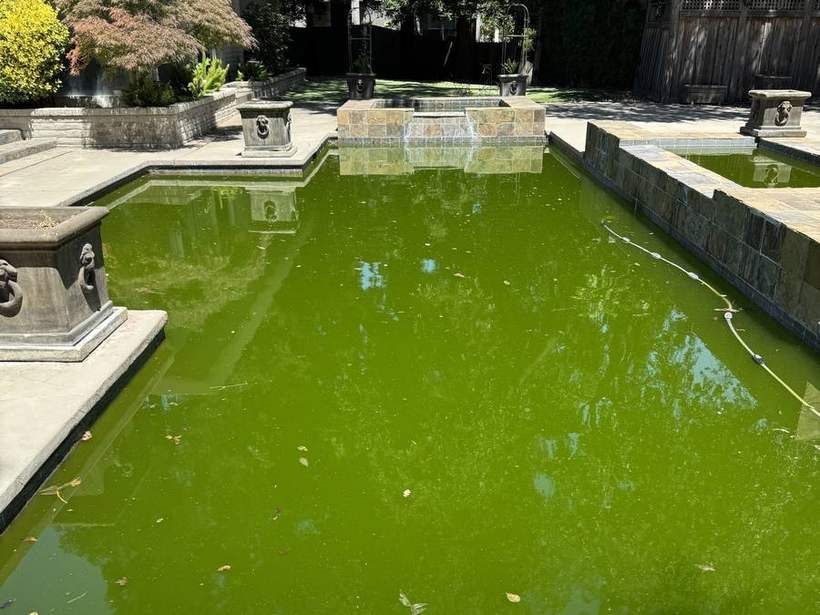
When a pool pump fails in California, most owners find out about this rule at the worst possible moment: the pump is dead, the pool is going green, and the replacement costs more than the one that broke. Here is what the rule actually says, so it is not a surprise.
What the rule requires
California Energy Commission standards for replacement dedicated purpose pool pump motors took effect for units manufactured on or after July 19, 2021. The standards cover replacement pool pump motors up to 5 horsepower. Motors with a total horsepower of 0.5 or greater must be variable speed. A qualifying motor must offer user selectable speeds in increments no larger than 100 RPM, its lowest speed must be no more than one third of its maximum, and when sold with a drive the default setting must be no more than 55 percent of maximum speed.
What that means in practice
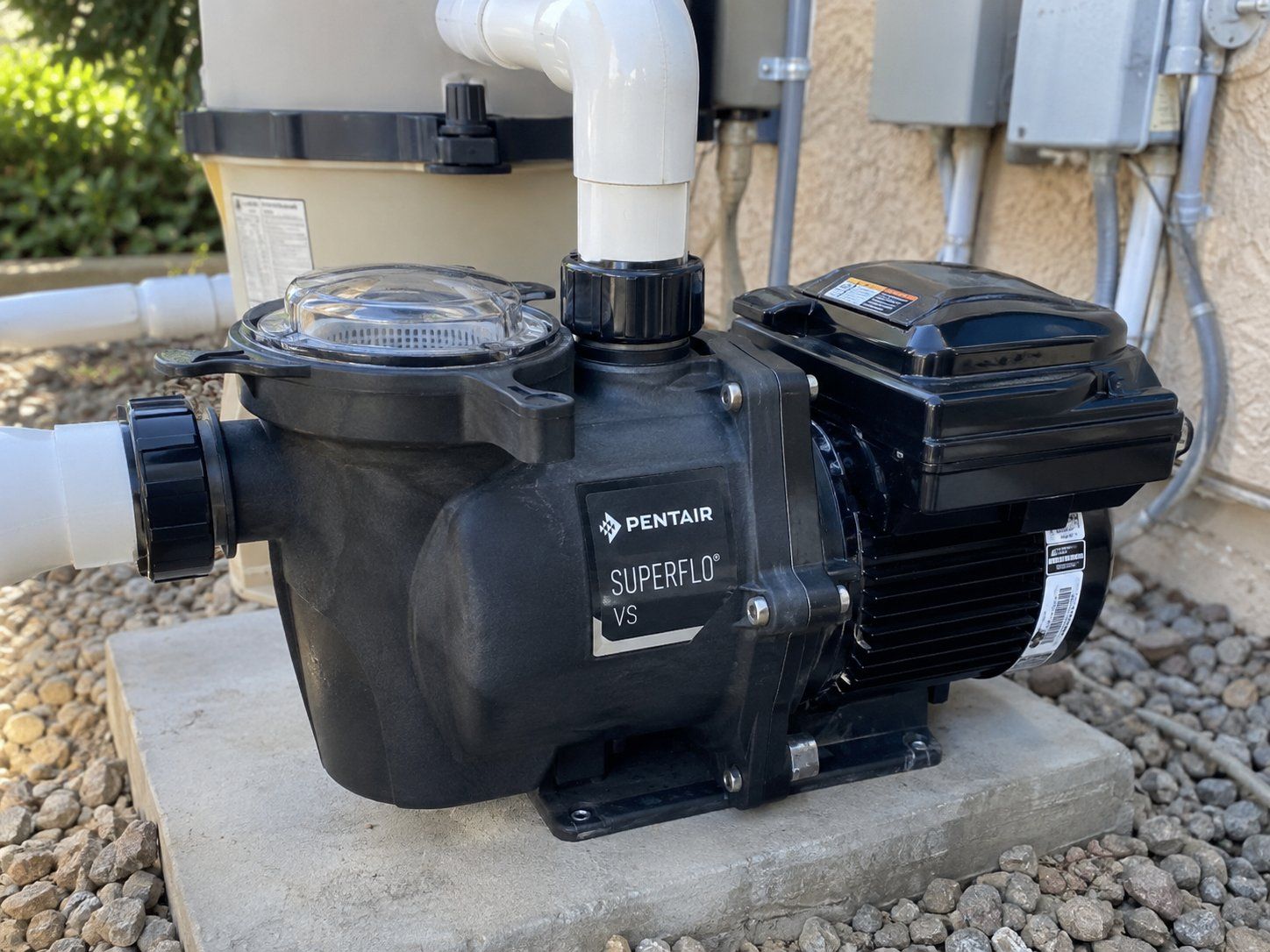
If your single speed pump dies and it is half a horsepower or larger, which covers the overwhelming majority of residential pool pumps, you are not replacing it with another single speed pump. The compliant replacement is a variable speed unit. Your existing pump is not illegal, and nobody is required to remove a working single speed pump. The rule applies at the point of replacement.
Why this is usually good news financially
A single speed pump has exactly one setting: full. It runs your filtration at a speed sized for vacuuming even when it is only circulating water, and pump energy use rises steeply with speed. Running slower for longer moves the same volume of water for a fraction of the electricity. For most Sacramento pools the higher purchase price is recovered through the power bill, often within a couple of seasons.
The catch is that the savings only materialize if the pump is programmed correctly. A variable speed pump left on a high default speed all day is an expensive single speed pump. This is the single most common thing we find on pools where someone paid for the upgrade and never saw the savings.
What to ask when you get a quote
Ask what total horsepower the replacement is and whether it is the right size for the pool, since oversizing was standard practice for decades. Ask whether programming is included, with speeds set for filtration, cleaner operation, and any spa or water feature rather than factory defaults. Ask whether the plumbing needs work, because old pads sometimes need unions or repiping to accept a modern pump. And ask whether a utility rebate is currently available.
If the pump is on its way out rather than dead
A pump that is getting loud, running hot, tripping a breaker, or losing prime gives you a window to plan the replacement rather than react to it. That is usually the difference between choosing the right pump and taking whatever is in stock the week your pool turns green. We handle pool equipment repair and replacement across the Sacramento area, and we will tell you when a repair is the better value than a new unit. Call (916) 313-8754.